
World Menopause Day: Why Aches and Joint Pain Can Show Up in Midlife
This year’s World Menopause Day theme is chronic pain in midlife. Here’s why aches, stiffness and joint pain can show up around menopause, and what can help.
This year’s World Menopause Day theme is chronic pain in midlife. Here’s why aches, stiffness and joint pain can show up around menopause, and what can help.
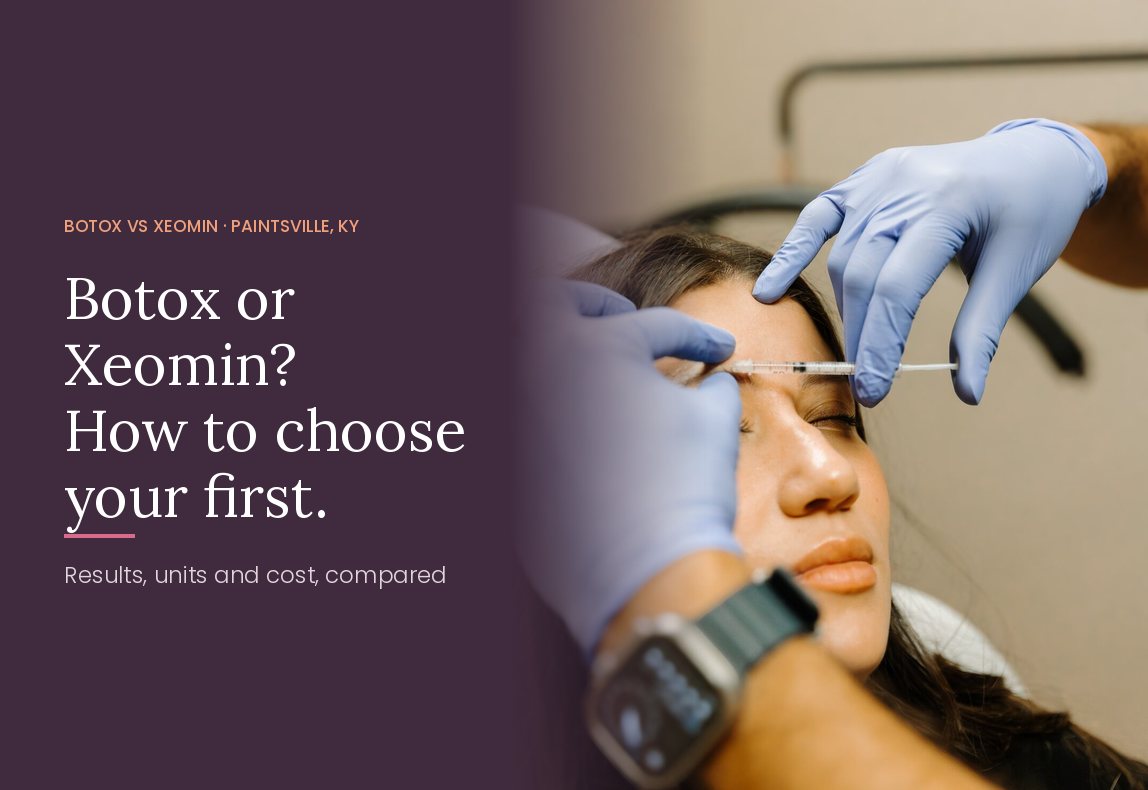
Botox and Xeomin work the same way and performed the same in a head-to-head trial. Here is how they actually differ, what each costs in Paintsville, and how to pick one for your first visit.
A new Sofwave study just reported nine-month results. Here is how it compares with the research on Ultherapy, written plainly by our physician-led team.

IV hydration moved from hospital wards to wellness lounges. As a kidney specialist, here’s my view of who it helps, who it doesn’t, and what safe care looks like.

Instead of relaxing muscles, Microtox targets the skin itself, aiming for less shine and smoother texture. It is off-label, and the evidence is still early.

Concealer and eye creams disappoint most people because “dark circles” aren’t one problem. Here’s how I sort out the four main types and match treatment to cause.
Fullness under the chin can come from fat, loose skin, a small chin or muscle bands. Here’s how I figure out which one you have, and which treatment fits.
Spider veins are common, harmless for most people, and very treatable. Here’s how sclerotherapy and laser differ, and the warning signs that point to a deeper vein problem.
Estrogen affects collagen, moisture and oil production, so its decline shows up in the mirror. Here’s what’s happening and how skin care, medical care and aesthetic treatments fit together.
Pregnancy changes the rules for injectables, lasers and even skin care. Here’s a physician’s guide to what to finish beforehand, what to pause, and when to resume.
Men’s faces, skin and goals are different, and treatment should be too. Here are the options men ask me about most, and how we keep results looking like you.
Results last longer and cost less over time when maintenance is planned. Here’s the seasonal rhythm I suggest for injectables, lasers, facials and skin care.
Botox and fillers are medical procedures with real risks. Here are the questions I’d want every patient to ask — including of us — before anyone picks up a needle.
Stacking treatments can deliver better results than any one alone — or it can stack up irritation and risk. Here’s how I decide what goes together and what needs space.
Your skin’s needs change every decade. This guide walks through what tends to help most in your 20s, 30s, 40s, 50s and 60s — and what can usually wait.
In your 40s, collagen loss, early volume change and sun damage start to show together. Here’s how I help patients build a preventive plan that looks natural now and ages well.
The treatments with the most downtime need the most lead time. Here’s a week-by-week plan, starting in late September, for looking your best by Thanksgiving and New Year’s Eve.

Our team demonstrated EvolveX live on WSAZ. Here is how it works, why it is a strong fit after weight loss, and what it costs at our Hudson office near Akron and Cleveland.
Stephanie Welker, FNP-BC explained EvolveX live on WSAZ while Cami, our esthetician, was treated on air. Here is what they demonstrated, what a session feels like, and what it costs in Barboursville.

The right body contouring treatment depends on how much fat, how much loose skin and how much downtime you can accept. Here’s a side-by-side look at the options.
Cellulite isn’t a sign that you’re out of shape. Learn what creates those dimples, why diets and creams disappoint, and which in-office treatments can make a visible difference.
Thousands of muscle contractions and gentle fat-targeting heat in a single 30-minute session. Here’s how EMSCULPT NEO works, who it’s right for and what to expect.
Instead of relaxing muscles, Microtox targets the skin itself, aiming for less shine and smoother texture. It is off-label, and the evidence is still early.
Neuromodulators have been used in medicine for more than three decades. Here is what that track record tells us, and the long-term questions that remain open.
You cannot make Botox permanent, but you can avoid the habits that shortchange it. A practical guide to the first day, the first two weeks and the months after.
The same molecule that softens frown lines also treats migraine, bladder spasms and severe sweating. Here is a clear map of what is approved, what is off-label, and why it matters.
A treatment plan built for a female face can look wrong on a man. Here is what changes when men get Botox, and why it matters.
Hyperhidrosis is a medical condition, not a hygiene problem. When antiperspirants are not enough, Botox has FDA approval for severe underarm sweating.
Social media made “Traptox” famous for a swan-like neckline. The physiology is real, but so are the trade-offs, and it is an off-label use.
Relaxing an overworked jaw muscle can ease clenching and soften a square jawline. Here is what the evidence supports, and where TMJ claims go too far.
True Botox resistance is rare. Most early fading has a more fixable explanation, and figuring out which one applies to you is detective work worth doing.
There is no birthday that unlocks Botox. There are signs in your skin that tell us whether starting makes sense, and signs that it can wait.
“Baby Botox” is not a different product. It is a different strategy: less per point, more attention to how your face moves.
The brand names get a lot of attention, but the injector’s plan usually matters more than the label on the vial. Here is an educational side-by-side.
Most first-time Botox nerves come from not knowing what happens in the room. Here is the whole visit, from the first question to the two-week check, in plain language.
Botox and Xeomin work the same way and performed the same in a head-to-head trial. Here is how they actually differ, what each costs in Paintsville, and how to pick one for your first visit.

Two of the best-known collagen stimulators work in different ways. Comparing Radiesse and Sculptra side by side makes it easier to understand which approach fits your goals.
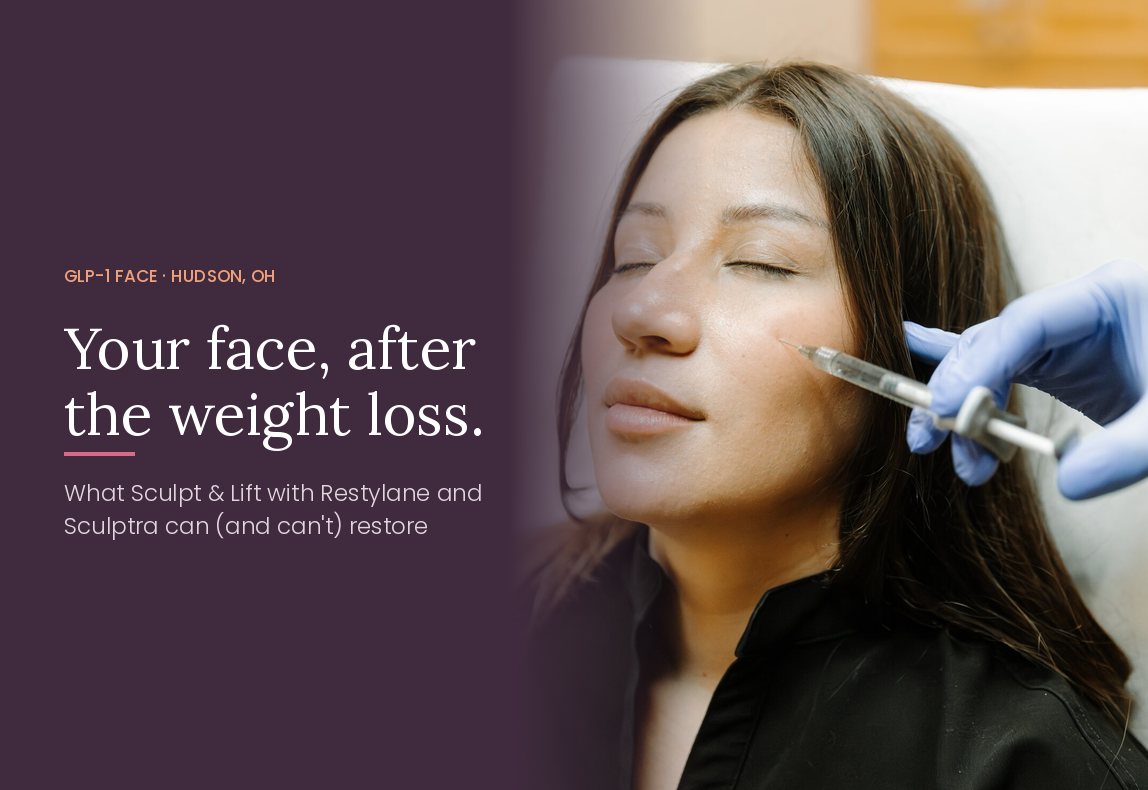
GLP-1 medications shrink the fat pads that hold the face up, so a healthier body can come with a more tired-looking face. Here’s what Galderma’s Sculpt & Lift regimen does, when to start, and what it costs in Hudson.
The most important filler conversation is not about brands or prices. It is about blood vessels, warning signs and whether your injector is ready if something goes wrong.
Sculptra doesn’t fill a line the day you’re treated. It prompts your body to rebuild collagen over months. Here’s what that process looks like from start to finish.
Years of small top-ups can add up to a face that no longer looks like yours. How to recognize overfilling, what dissolving involves and how to reset.
Most faces don’t need more of one thing; they need better proportion. Facial balancing looks at how features relate to each other before choosing where to treat.
One category fills, the other stimulates. Understanding the difference helps you choose between immediate, reversible volume and gradual collagen building.
A bruise after filler is common and usually harmless, but it can be inconvenient before a big event. These practical steps lower your odds and help bruises fade faster.
Filler is only one tool for tired-looking eyes. Matching the treatment to the real cause, whether thin skin, pigment, laxity or lost cheek support, matters most.
“No needles” sounds gentler, but hyaluron pens fire filler into the skin with little control. Here’s why the FDA has warned the public not to use them.
The under-eye area is where careful candidate selection matters most. An even-handed look at what tear trough filler can do, where it falls short and the risks.
Facial aging is not only about wrinkles. Changes in bone, fat, and collagen reshape the face over time. Understanding the layers helps you choose the right treatment.
One uses a neuromodulator to roll the lip outward, the other adds volume and shape. A side-by-side look at what each can and cannot do.
A slightly short chin can make the nose look bigger and the neck look softer. Chin filler is a nonsurgical way to bring the profile back into balance.
A blurred lip border or a shelf of filler above the lip is a common reason people seek a second opinion. Here is why migration happens and what can be done.
The cheeks hold up much of the face. When they lose support, the effects show up below and around them. Here’s how cheek filler works and who it helps.
Half syringe or full? Fuller or more defined? A practical plan for first-time lip filler patients, from the consultation to the first two weeks of healing.
Jawline filler can sharpen a softening jaw and bring the lower face back into proportion. Here’s how it works, who it suits, and how long it tends to last.
What dermal fillers actually are, where they work best, how long they last and the safety questions every patient should ask before the first syringe.

A dermaroller and an in-office microneedling session can look similar, but they work very differently. Here’s what separates them, and where the risks are.
Dermaplaning is simple, quick and often misunderstood. Here’s what it does, what it doesn’t, and when to leave the blade alone.
You don’t need a week in hiding to benefit from a peel. Here’s how light peels fit into a packed calendar, and how to time them well.
The word “peel” covers everything from a lunchtime glow to a major resurfacing procedure. Here’s how depth changes what a peel can do.
HydraFacial is popular for a reason, but it isn’t magic. Here’s what the treatment does, what it doesn’t, and where it fits in a skin plan.
This year’s World Menopause Day theme is chronic pain in midlife. Here’s why aches, stiffness and joint pain can show up around menopause, and what can help.

A single study in 2002 frightened a generation of women away from hormone therapy. Two decades later, the picture is more nuanced and more useful.
Many women notice their skin change faster in a few years around menopause than in the decade before. Estrogen is a big part of the reason.
Testosterone therapy can help the right man, but for younger men it carries a fertility cost many don’t hear about. Here’s what to check first.

Polycystic ovary syndrome is now called polyendocrine metabolic ovarian syndrome, or PMOS. The new name puts hormones and metabolism first. Here’s what that means for you.

Fatigue, weight gain and low libido have many causes. Here’s why every hormone plan should start with blood work, and why the testing doesn’t stop once treatment begins.
Hot flashes, night sweats, brain fog, weight gain and low libido are common, but you don’t have to just live with them. Here’s what’s happening and the options that help.
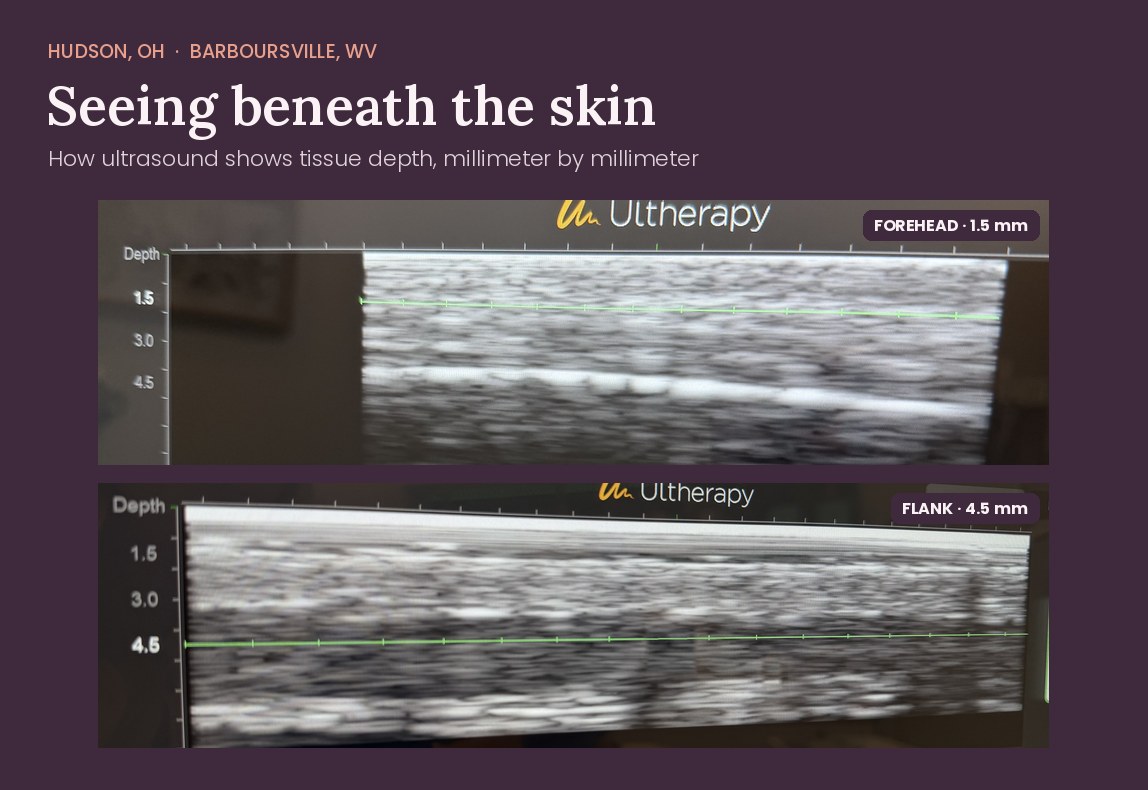
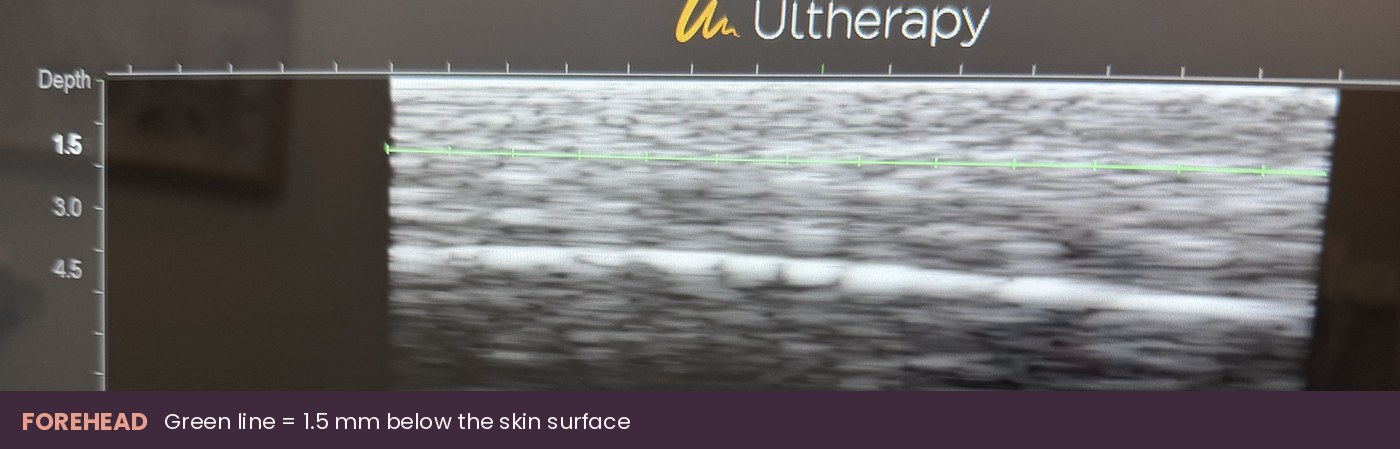
Two ultrasound images from our office show how much is going on in the first few millimeters under your skin, and why depth matters for skin tightening and for hormone pellet placement.
Tired, foggy or just not yourself? A physician walks through what a wellness lab panel checks, test by test, and why the trend in your numbers matters as much as any single result.

Tired, foggy, or gaining weight around the middle that won’t budge? Those changes often trace back to shifting hormones. Here are the signs to watch for — and how physician-supervised hormone optimization may help in the Tri-State.
Tired, foggy, or gaining weight around the middle that won’t budge? Those changes often trace back to shifting hormones. Here are the signs to watch for — and how physician-supervised hormone optimization may help.
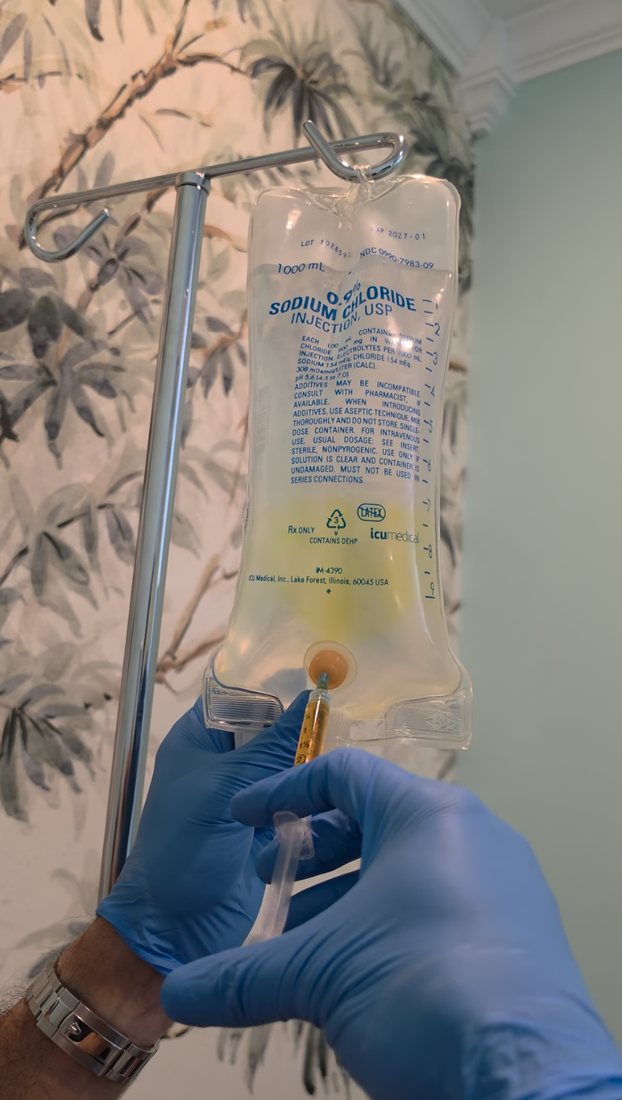
You can’t control the season — but you can give your body better support heading into it. Here’s how our $149 physician-led IV drips help you replenish, rehydrate, and support your immune health.

A raised scar and a sunken scar need opposite treatments. This guide explains the main scar types, from fresh surgical scars to keloids, and where options like Kenalog injections fit.
Stretch marks are common and harmless, yet many people want them softer. Here’s a clear-eyed look at what improves them, why newer marks respond better, and where expectations should land.
Prejuvenation is less about early procedures and more about smart habits and gentle, well-timed care. Here’s what has evidence and what can wait.
Platelet-rich plasma is often marketed as a miracle add-on. The research is more modest but still encouraging. Here’s what PRP adds to microneedling for acne scars and what it does not.
The laser does its part in minutes; healing takes days. Here’s what to do, and what not to do, from the first night through the first month.
Acne scars are not all the same shape, and the shape decides the treatment. Here’s a practical guide to icepick, boxcar and rolling scars and how we combine therapies for the best result.
There is no single “best” laser. Here’s a plain-language map of the main laser families and how to match one to your skin and goals.
Persistent redness, flushing and visible vessels are among the most treatable parts of rosacea. Here’s how light-based treatment and medical therapy fit together.
CO2 is the most powerful resurfacing laser we use. Here’s what it can realistically achieve, what recovery feels like, and who is a good candidate.
The pimple is gone but the dark mark stays for months. Here’s why that happens, why it is more common in medium and deeper skin tones, and how to fade it without making it worse.
Peels and lasers both remove damaged skin so healthier skin can grow in. The right choice depends on depth, skin tone and how much downtime you can manage.
Melasma is one of the most frustrating pigment problems because the wrong treatment can make it darker. Here’s what the evidence supports and how I build a plan that keeps it quiet.
One treats color, the other treats texture. Here’s how to tell whether an IPL photofacial or a fractional laser is the better match for your skin.
Sun damage is not one problem but three: pigment, texture and redness. Here’s how I match each one to the right treatment, and what you can do at home to protect the results.
Fractional lasers treat skin in tiny columns so it heals faster. Here’s how ablative and non-ablative versions differ in results, downtime and risk.
Shorter days, less sun and a quieter calendar make autumn the natural time for laser work. Here’s why, and how to plan a series that finishes by spring.

Laser hair removal is a series, not a single appointment. Here’s why, how sessions are spaced, and what most people notice along the way.
More men are ditching the razor for back, chest and neckline hair. Here’s what laser can and can’t do, and how to plan it without regrets.
Each hair removal method has a place. Here’s how laser, electrolysis and waxing stack up so you can pick the one that fits your hair, skin and schedule.
For years, people with deeper skin tones were told laser hair removal wasn’t for them. Here’s what changed, and what still matters for safe treatment.
Whether you want a tattoo gone or faded for a cover-up, here’s a clear look at how laser removal works, how long it takes, and what it costs.
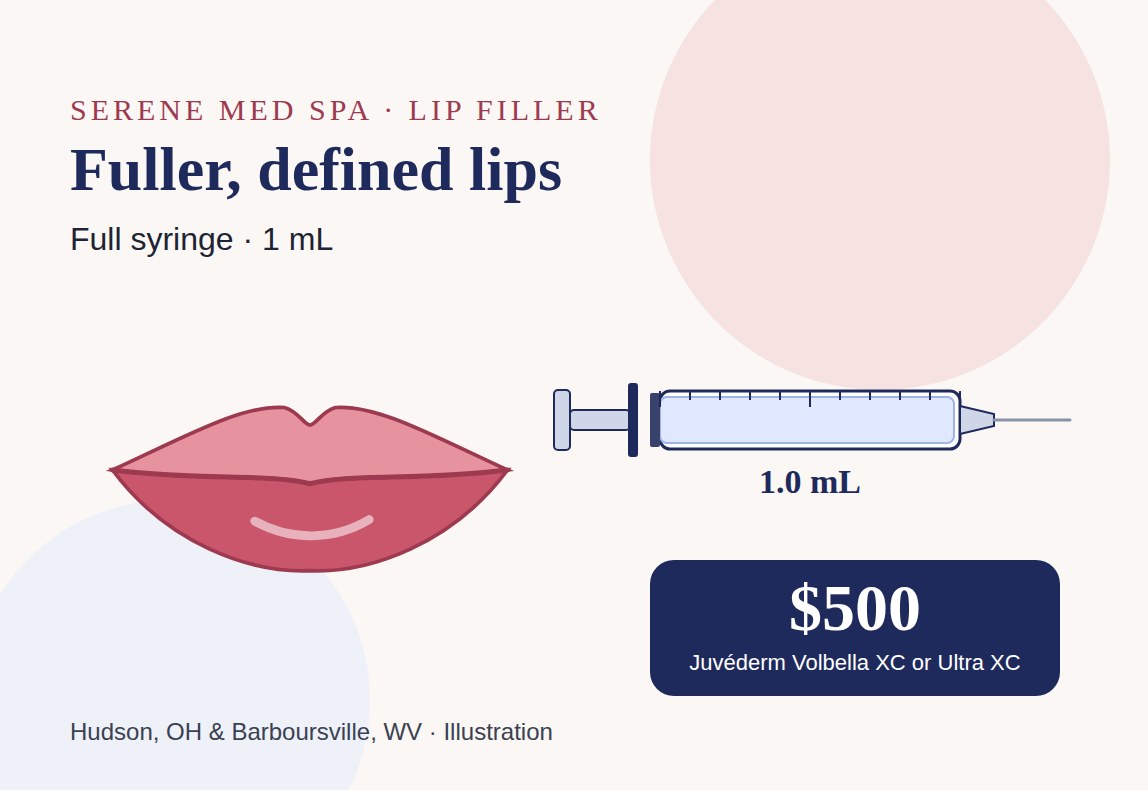
A full syringe of lip filler is $500 at Serene. Here’s what 1 mL does, how long it lasts, and how we choose between Juvéderm Volbella XC and Ultra XC.
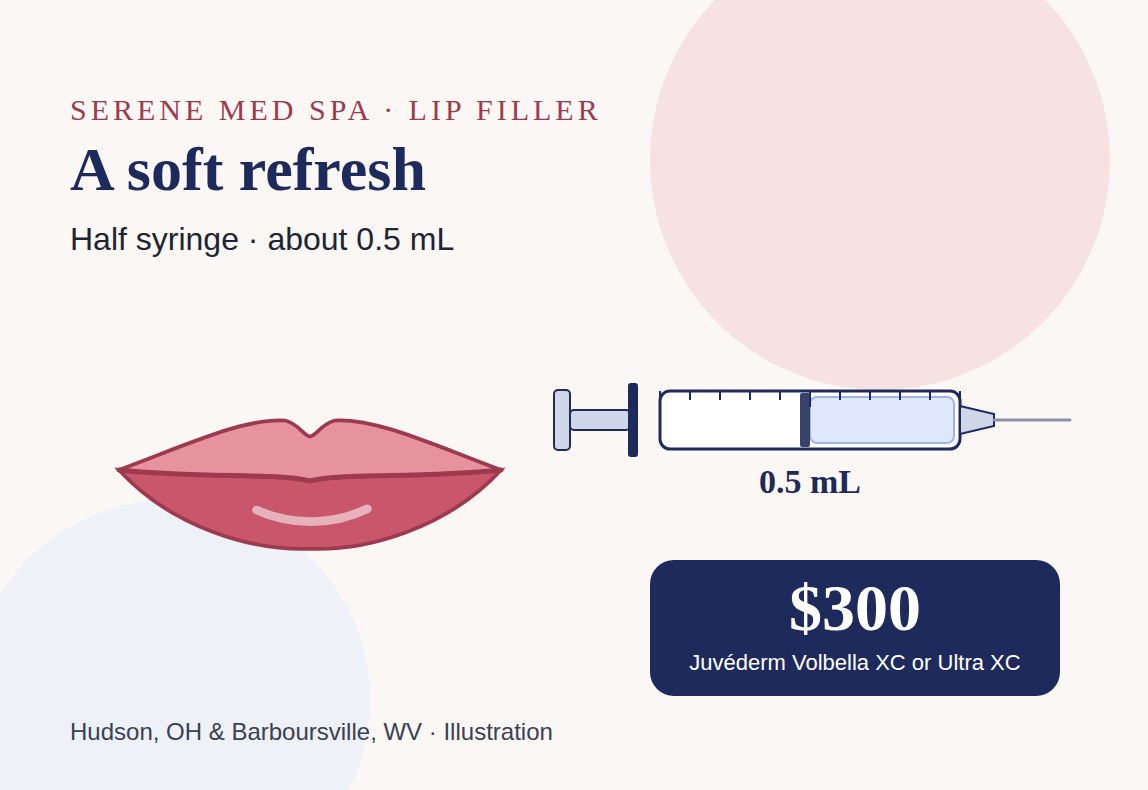
Half a syringe of lip filler is $300 at Serene. Here’s what 0.5 mL looks like, who it’s right for, and when we choose Volbella XC or Ultra XC.
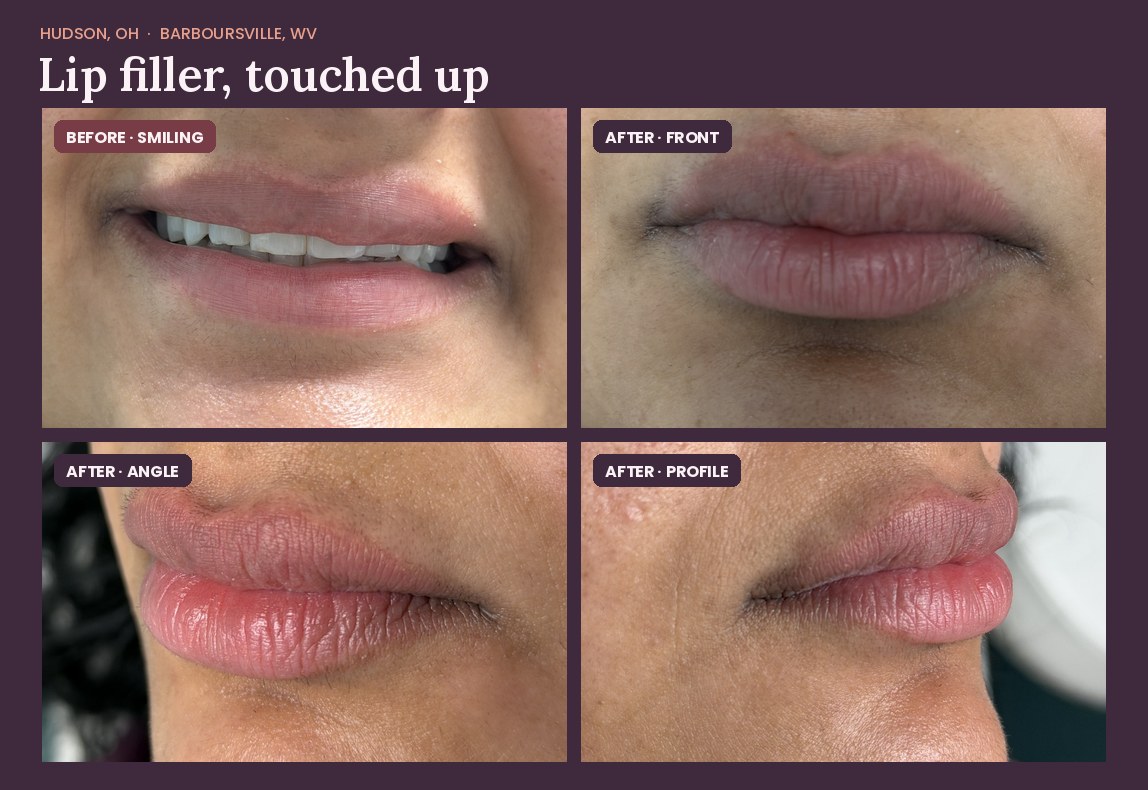
Three months after her lip filler, a patient noticed a dip in her upper lip when she smiled. She didn’t need to start over. Here’s why filler can fade unevenly, and how a small touch-up fixed it.
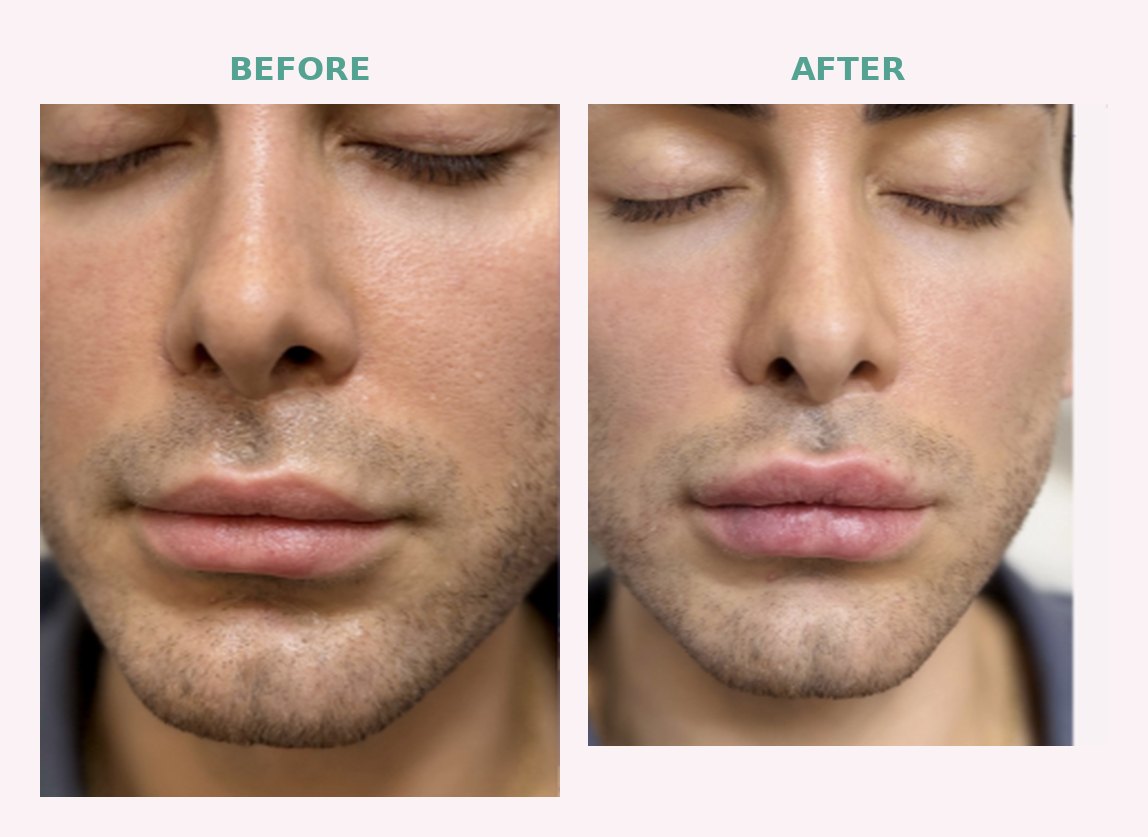
Lip filler is uncommon for men — and done well, rarer still. Here’s how I added natural volume, corrected side-to-side asymmetry, and kept a masculine lip using Juvéderm Volbella.

GLP-1 medications work. But the scale can’t tell you whether you lost fat or muscle, and in clinical trials a large share of the weight lost was lean mass. Here’s how to protect your strength while you slim down.

Medicare now covers select GLP-1 medications for weight loss at $50 a month. Here’s who qualifies, how the program works, and why protecting muscle matters most for adults 65 and older.

After more than 16 years in medicine, I want to introduce myself properly: who I am, how a kidney specialist ended up in aesthetic medicine, and the promises Serene makes to every patient.

From over-the-counter minoxidil to prescription medication, PRP and light therapy, here’s a physician’s map of the non-surgical options for thinning hair and how to combine them sensibly.
PRP can help some people with thinning hair, but not everyone. Learn who tends to respond, how a typical treatment series is structured and what the research does and doesn’t show.
Planning PRP around work, a wedding or a vacation? Here’s a realistic look at recovery for the scalp, under-eyes and face, plus the aftercare steps that matter most.
Same blood draw, different spin, different result. Here’s how platelet-rich plasma and platelet-rich fibrin compare for hair, under-eyes and skin.
Exosomes are the buzzword of the year in aesthetics. Here’s what the research actually shows, why the FDA hasn’t approved any exosome product, and what to ask before you let anyone use them on you.
A new Sofwave study just reported nine-month results. Here is how it compares with the research on Ultherapy, written plainly by our physician-led team.

Big weight loss is a health win, but it can leave loose skin and a hollow face behind. Here’s what nonsurgical treatments can realistically improve, and what they can’t.
Thread lifts sit between injectables and surgery. They can lift and refresh, but only within limits. Here’s a clear-eyed look at what PDO threads really deliver.
Jowls aren’t just sagging skin. Understanding the four things that cause them explains why some respond beautifully to nonsurgical care and others need a surgeon.
Thin skin, visible veins and sun spots make hands look older than the face above them. Here’s how each concern is treated, and what to expect.
The neck ages on its own schedule, and phones haven’t helped. Here’s how to match horizontal lines, crepey skin, bands and fullness to the right treatment.
Ultherapy reaches the same deep support layer a surgeon lifts, without an incision. Here’s who it suits, what it feels like and why patience pays off.
Three popular ways to tighten skin without a facelift work at different depths and suit different faces. Here’s how I help patients choose between them.
The FDA’s 2024 safety communication on RF microneedling made headlines. Here’s a calm, physician’s-eye view of what it said and how to protect yourself.
Patients often ask which RF microneedling machine is “the best.” The better question is what the device can do at what depth, and who is setting it.
Radiofrequency devices tighten skin by heating the collagen underneath it. Here’s what that heat actually does, why results build slowly, and who benefits most.

A GLP-1 medication changes how much you eat. What you eat, how you move and how you care for your skin decide how you look and feel at the end.
Losing weight quickly can leave the face looking older than you feel. Here’s why “GLP-1 face” happens, how to limit it, and the treatments that can help.
Weight loss changes hormones, and tirzepatide can make the pill less reliable. Here’s what women and men should know about fertility and contraception on GLP-1 medications.
For many women with PCOS, weight and insulin resistance are the hardest parts to manage. Here’s where GLP-1 medications fit, and the precautions that matter most.
Low-dose GLP-1 “microdosing” is being promoted for everything from appetite control to longevity. Here’s an evidence check from a physician’s perspective.
Coverage for GLP-1 medications depends less on the drug than on your plan, your diagnosis and your paperwork. Here’s how to find out where you stand.
Compounded GLP-1s were everywhere during the shortage years. Here’s what changed, how they differ from FDA-approved products, and what to ask before you inject anything.
IV hydration moved from hospital wards to wellness lounges. As a kidney specialist, here’s my view of who it helps, who it doesn’t, and what safe care looks like.
Peptides range from well-studied, FDA-approved medicines to “research chemicals” sold online. Knowing the difference is the first step to using them safely.
Gym forums and podcasts make peptides sound like shortcuts. The evidence is more uneven, and knowing where it’s strong or thin can save you money and risk.
NAD+ sits at the center of cellular energy, and levels fall with age in many studies. Whether topping it up helps people feel or age better is a more open question.