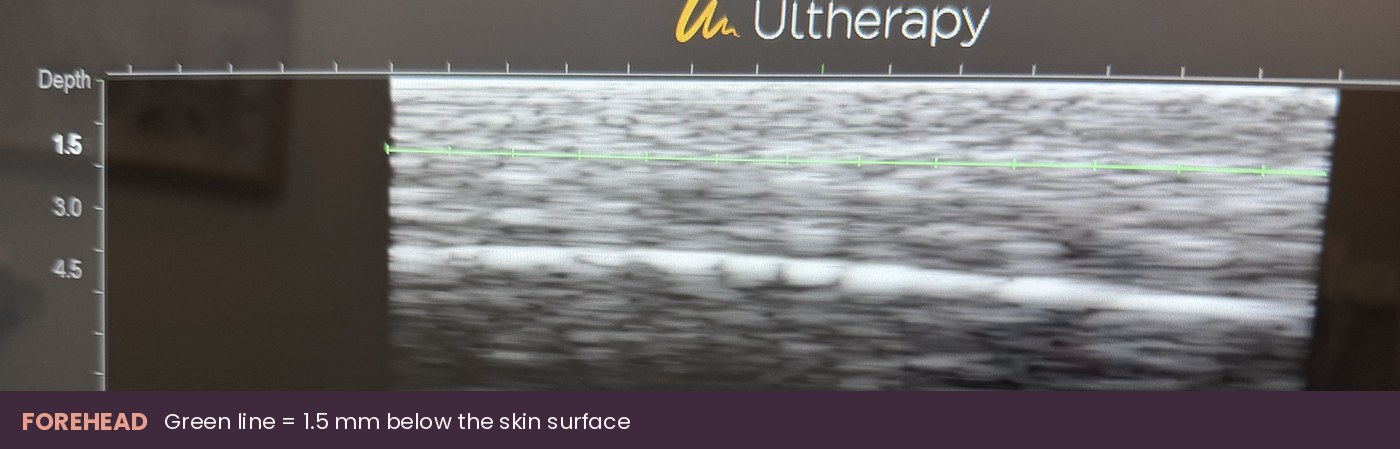
Sofwave vs. Ultherapy: What the Research Actually Says
A new Sofwave study just reported nine-month results. Here is how it compares with the research on Ultherapy, written plainly by our physician-led team.
Neck lines, crepey skin, bands or a full chin? Dr. Robin Arora explains what causes each neck concern and which treatments, from RF to Kybella, fit best.

Many people take good care of their face and then catch an unexpected glimpse of their neck on a video call. Neck skin is thinner than facial skin, has fewer oil glands, and often gets less sunscreen. Add hours of looking down at a phone or laptop, and horizontal creases can show up earlier than expected. That combination is what people mean by “tech neck.”
The good news is that the neck responds to treatment. The key is identifying which of several different problems you actually have, because each one calls for a different tool.
When I examine a neck, I’m sorting what I see into these categories:
Most people have more than one, and a good plan addresses each in the right order.
Skin-quality treatments like SkinVive or very carefully placed, small amounts of soft hyaluronic acid filler can soften etched lines. The neck is unforgiving, so conservative technique matters. RF microneedling also helps by thickening the dermis over time.
RF microneedling builds collagen, while light-based treatments such as a photofacial address brown spots and redness. Daily sunscreen and a gentle retinoid are the long-term foundation.
Small doses of Botox and other FDA-approved neuromodulators can relax the platysma bands and soften the pull on the lower face. Results last a few months. Dosing needs care, because the neck muscles also help with swallowing and head movement.
Treatments work better, and last longer, when daily habits support them:
No cream will lift a neck, but these habits slow further damage and protect the collagen we build.
Nonsurgical treatments soften and tighten; they don’t remove skin. If you have a lot of loose skin hanging below the jaw, deep folds, or strong bands with heavy skin, a surgical neck lift may give a result that no device can. I’ll tell you when I think that’s the case.
You should also see a doctor, rather than a med spa, for a new lump in the neck, a swelling that doesn’t go away, or changes in swallowing or voice. Those deserve a medical evaluation first. Treatments may also need to be postponed for pregnancy, active skin infection, or certain neuromuscular conditions. At Serene, neck treatments are performed by trained medical professionals under my oversight.
They can often be softened significantly with skin-quality treatments, RF microneedling and careful filler, especially when combined with better posture and sun protection. Deep, long-standing lines may improve but not disappear.
When dosed carefully by a trained provider, neuromodulators are commonly used to soften neck bands. Too much in the wrong place can affect swallowing or neck strength, which is why experience matters.
It varies widely. Ultherapy and neuromodulators have little downtime, RF microneedling has a few days of redness, and Kybella and FaceTite involve more swelling.
There is no set age. Sun protection and good skincare help at any age, and treatments make sense when changes start to bother you.
A quick exam tells us which neck concern is driving the change you see and which treatments will actually help. Book a complimentary, no-commitment consultation:
Ask about Easy Pay financing.
References: Alam M, White LE, Martin N, et al. Ultrasound tightening of facial and neck skin: a rater-blinded prospective cohort study. Journal of the American Academy of Dermatology. 2010. · U.S. Food and Drug Administration. Kybella (deoxycholic acid) injection prescribing information. 2015. · American Academy of Dermatology. Sunscreen FAQs. aad.org
This article is for general information only and is not medical advice. Treatments are provided only after consultation and evaluation by a licensed provider. Individual results vary.

A new Sofwave study just reported nine-month results. Here is how it compares with the research on Ultherapy, written plainly by our physician-led team.
Big weight loss is a health win, but it can leave loose skin and a hollow face behind. Here’s what nonsurgical treatments can realistically improve, and what they can’t.
Thread lifts sit between injectables and surgery. They can lift and refresh, but only within limits. Here’s a clear-eyed look at what PDO threads really deliver.