World Menopause Day: Why Aches and Joint Pain Can Show Up in Midlife
This year’s World Menopause Day theme is chronic pain in midlife. Here’s why aches, stiffness and joint pain can show up around menopause, and what can help.
Tired, foggy, gaining weight? Learn the signs of hormone imbalance and how physician-supervised hormone optimization at Serene Med Spa may help.
If you’re constantly tired, struggling to sleep, gaining weight around your middle despite eating well, or just not feeling like yourself, it’s easy to chalk it up to “getting older.” But for many adults, those changes trace back to something specific and manageable: shifting hormone levels.
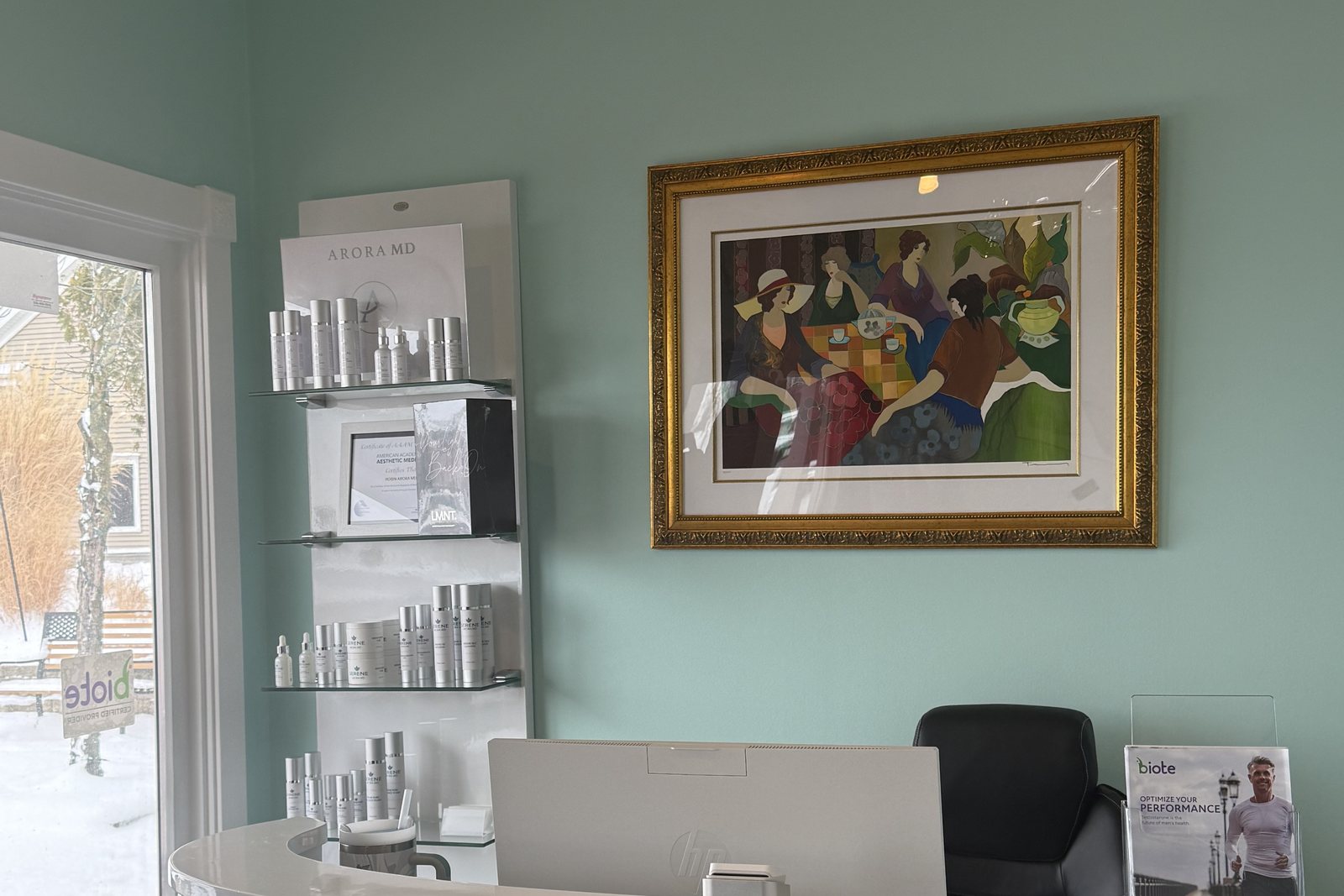
At Serene Med Spa, our physician-led team helps women and men in Hudson, OH and Barboursville, WV understand what’s happening and, where appropriate, restore balance through physician-supervised hormone optimization. As a Certified Biote Provider, we offer a personalized, evidence-informed approach that starts with a simple lab test — not guesswork.
Hormones influence energy, sleep, mood, metabolism, focus, and libido, so an imbalance can show up in a lot of different ways. Many patients tell us they’re experiencing several of these at once.
In women (often related to perimenopause and menopause):
In men (often related to declining testosterone with age):
If several of these sound familiar, it doesn’t automatically mean your hormones are the cause — but it’s a good reason to get tested and talk with a provider.
Hormone optimization is a physician-supervised approach to restoring hormones toward healthy, balanced levels using bioidentical hormones — hormones that are structurally identical to the ones your body produces naturally. It’s often referred to as bioidentical hormone replacement therapy (BHRT).
The goal isn’t to “cure” anything — it’s to help you feel more like yourself again by addressing symptoms that come with hormonal changes, always under medical supervision and tailored to your individual lab results and goals.
We’re proud to be a Certified Biote Provider, offering hormone pellet therapy as one of our options. Biote pellets are small, bioidentical hormone pellets placed just under the skin during a quick in-office visit. They release a steady, low dose of hormones over several months, so there’s no daily cream or pill to remember.
Because every body is different, hormone therapy isn’t one-size-fits-all. Depending on your evaluation, your provider may recommend pellet therapy or another physician-supervised delivery method that fits your needs and lifestyle. Whatever the approach, it’s always personalized to you and monitored with follow-up labs.
Every step is guided by our physician-led team, so you’re supported the whole way. Learn more about our hormone optimization services or see full pricing.
No. While many women pursue it during perimenopause and menopause, men experiencing symptoms of low testosterone can also benefit. Both start with the same simple lab test.
They’re hormones that are structurally identical to the ones your body makes naturally. Your provider will explain the options during your consultation.
The only way to know is to get tested and talk with a provider. We’ll review your labs, symptoms, and goals and give you an honest recommendation — hormone therapy isn’t right for everyone.
Yes — hormone optimization is available at both our Hudson, OH and Barboursville, WV offices.
Serene Med Spa serves Hudson, Ohio and Barboursville, West Virginia. Book a consultation to talk with our physician-led team about whether hormone optimization is right for you.
These statements have not been evaluated by the Food and Drug Administration. This information is for general educational purposes only and is not medical advice. Individual results vary and are not guaranteed. Hormone therapy is provided only after consultation and evaluation by a licensed provider, and is not intended to diagnose, treat, cure, or prevent any disease.
This year’s World Menopause Day theme is chronic pain in midlife. Here’s why aches, stiffness and joint pain can show up around menopause, and what can help.
A single study in 2002 frightened a generation of women away from hormone therapy. Two decades later, the picture is more nuanced and more useful.
Many women notice their skin change faster in a few years around menopause than in the decade before. Estrogen is a big part of the reason.