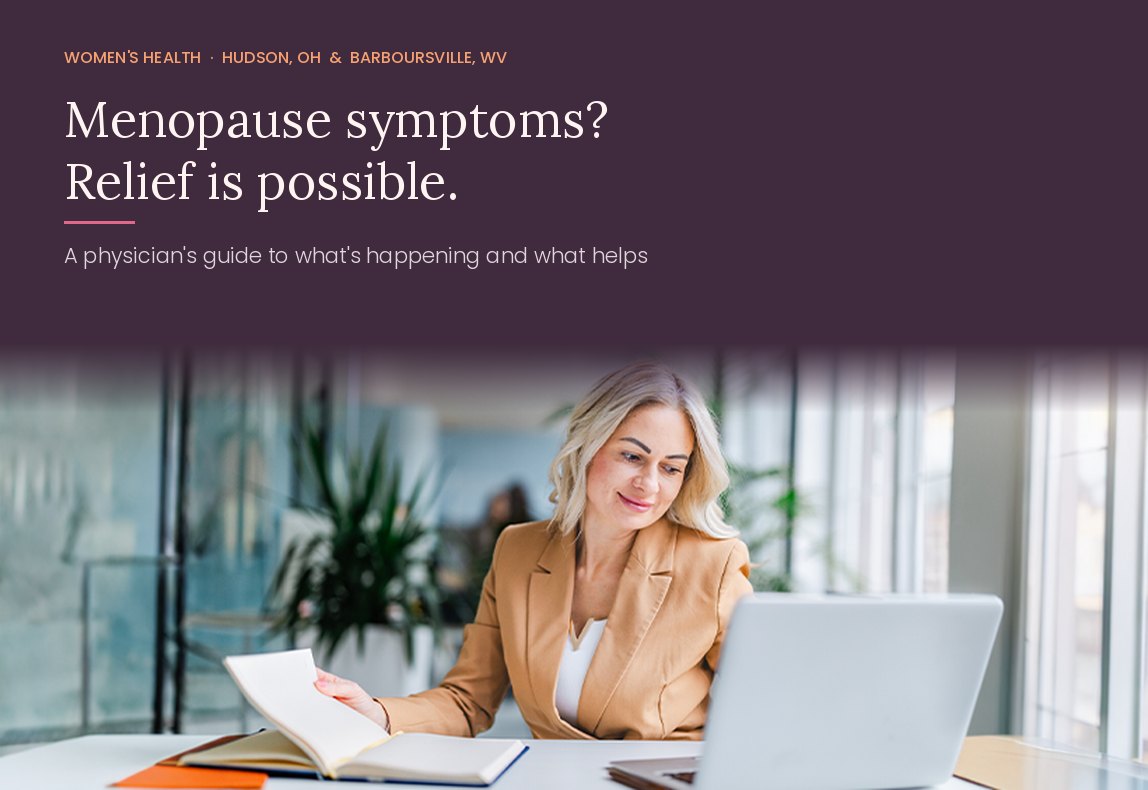
World Menopause Day: Why Aches and Joint Pain Can Show Up in Midlife
This year’s World Menopause Day theme is chronic pain in midlife. Here’s why aches, stiffness and joint pain can show up around menopause, and what can help.
11 articles on hormone optimization from the Serene Med Spa team.
This year’s World Menopause Day theme is chronic pain in midlife. Here’s why aches, stiffness and joint pain can show up around menopause, and what can help.
A single study in 2002 frightened a generation of women away from hormone therapy. Two decades later, the picture is more nuanced and more useful.
Many women notice their skin change faster in a few years around menopause than in the decade before. Estrogen is a big part of the reason.
Testosterone therapy can help the right man, but for younger men it carries a fertility cost many don’t hear about. Here’s what to check first.

Polycystic ovary syndrome is now called polyendocrine metabolic ovarian syndrome, or PMOS. The new name puts hormones and metabolism first. Here’s what that means for you.

Fatigue, weight gain and low libido have many causes. Here’s why every hormone plan should start with blood work, and why the testing doesn’t stop once treatment begins.
Hot flashes, night sweats, brain fog, weight gain and low libido are common, but you don’t have to just live with them. Here’s what’s happening and the options that help.
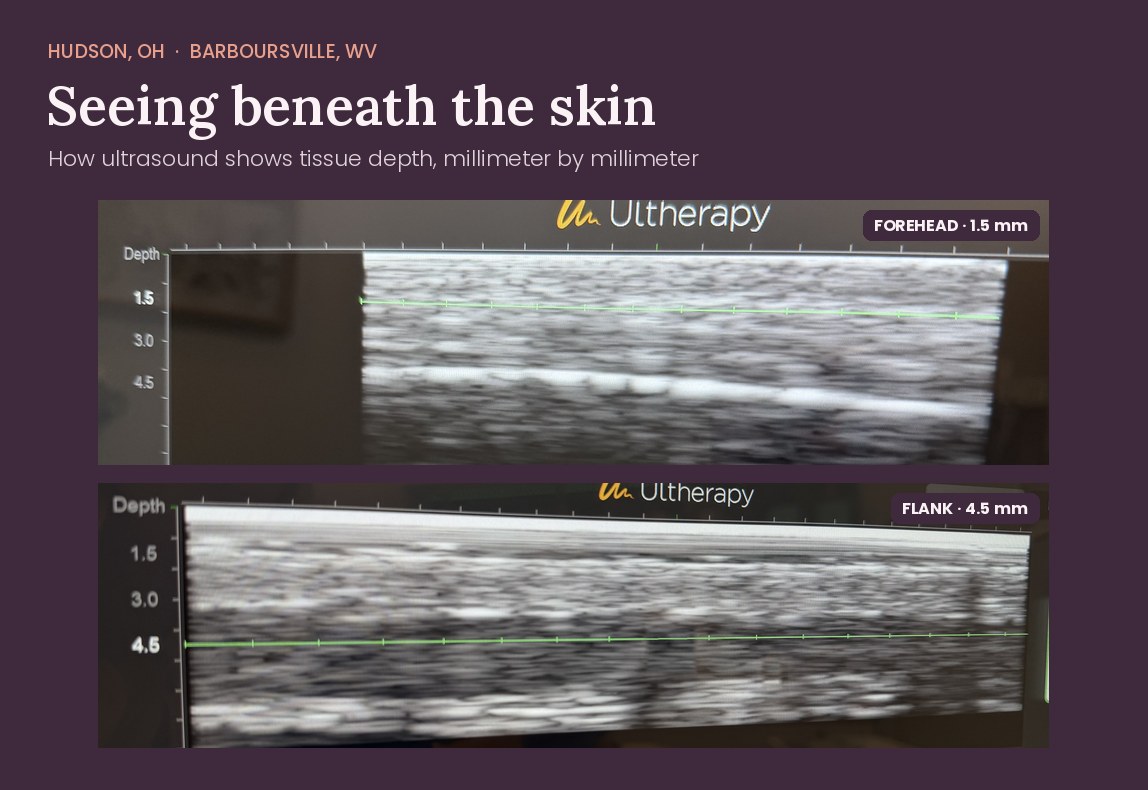
Two ultrasound images from our office show how much is going on in the first few millimeters under your skin, and why depth matters for skin tightening and for hormone pellet placement.
Tired, foggy or just not yourself? A physician walks through what a wellness lab panel checks, test by test, and why the trend in your numbers matters as much as any single result.

Tired, foggy, or gaining weight around the middle that won’t budge? Those changes often trace back to shifting hormones. Here are the signs to watch for — and how physician-supervised hormone optimization may help in the Tri-State.
Tired, foggy, or gaining weight around the middle that won’t budge? Those changes often trace back to shifting hormones. Here are the signs to watch for — and how physician-supervised hormone optimization may help.