
Radiesse vs. Sculptra: Comparing Collagen Stimulators
Two of the best-known collagen stimulators work in different ways. Comparing Radiesse and Sculptra side by side makes it easier to understand which approach fits your goals.
Not a candidate for tear trough filler? Dr. Arora explains under-eye alternatives, including PRP, laser resurfacing, medical skincare and midface support.
When I tell a patient that tear trough filler is not the right choice for them, the next question is always the same: “Then what can I do?” Fortunately, there is usually a good answer. Filler treats one specific problem — a hollow — and many tired-looking eyes are driven by something else entirely.
This article walks through the main alternatives I use, what each one is good at, and how to figure out which cause is behind your own under-eye concerns.
Under-eye concerns usually fall into one or more of these categories:
A simple test I use in the office: if gently lifting the cheek upward improves the under-eye, midface support may help. If pressing on the skin shows a brownish tone that stays, pigment is part of the story.
Under-eye PRP uses a concentrate prepared from your own blood, which contains growth factors. Injected in small amounts, it is used to support skin quality in thin, crepey under-eye skin. Results are gradual and usually require a series of treatments.
PRP does not add volume the way filler does, so it is not a substitute for correcting a deep hollow. The evidence for under-eye PRP is still developing, and I set expectations accordingly: modest improvement in skin texture and tone is a realistic goal. Because it comes from your own blood, allergic reactions are unlikely, but bruising and swelling can occur.
Laser skin treatments can improve fine lines, crepey texture and some pigmentation around the eyes by stimulating collagen remodeling. Options range from gentle, lower-downtime treatments to deeper resurfacing with more recovery.
Skincare will not correct a hollow, but it can improve skin quality and pigment over months. Evidence-based options include:
We carry Obagi medical skincare and can build a routine that complements in-office treatments.
In many patients the under-eye looks hollow because the cheek below it has lost volume and descended. Restoring support along the cheekbone with cheek filler can shorten the visual lid-cheek junction and soften the shadow, without placing product directly into the delicate tear trough. It still carries filler risks, including rare vascular events, so it is performed by trained medical professionals under my oversight.
Some under-eye changes are medical, not cosmetic. Sudden or one-sided swelling, puffiness that comes with fatigue or swelling elsewhere in the body, eye pain, or a change in vision should be evaluated by your physician. Persistent puffiness can be linked to allergies, thyroid problems or kidney conditions. Large, protruding under-eye bags are often best evaluated by an oculoplastic or facial plastic surgeon, since lower-lid surgery is the definitive treatment for them.
No. PRP is aimed at skin quality rather than volume, so it works best for thin or crepey skin, not deep hollows.
It can help pigment-related darkness and fine lines over time, but it will not correct hollowing or bags.
Often yes. Many patients do best with a staged plan, such as cheek support, then skin-quality treatments, plus daily skincare.
A careful exam tells us which of these options is worth your time and investment. Book a complimentary, no-commitment consultation at either location:
Ask about Easy Pay financing.
References: American Academy of Dermatology. Patient education on dark circles, retinoids and sun protection. AAD · American Society for Dermatologic Surgery. Patient resources on laser resurfacing and injectables. ASDS · U.S. Food and Drug Administration. Dermal Fillers (Soft Tissue Fillers). FDA
This article is for general information only and is not medical advice. Treatments are provided only after consultation and evaluation by a licensed provider. Individual results vary.

Two of the best-known collagen stimulators work in different ways. Comparing Radiesse and Sculptra side by side makes it easier to understand which approach fits your goals.
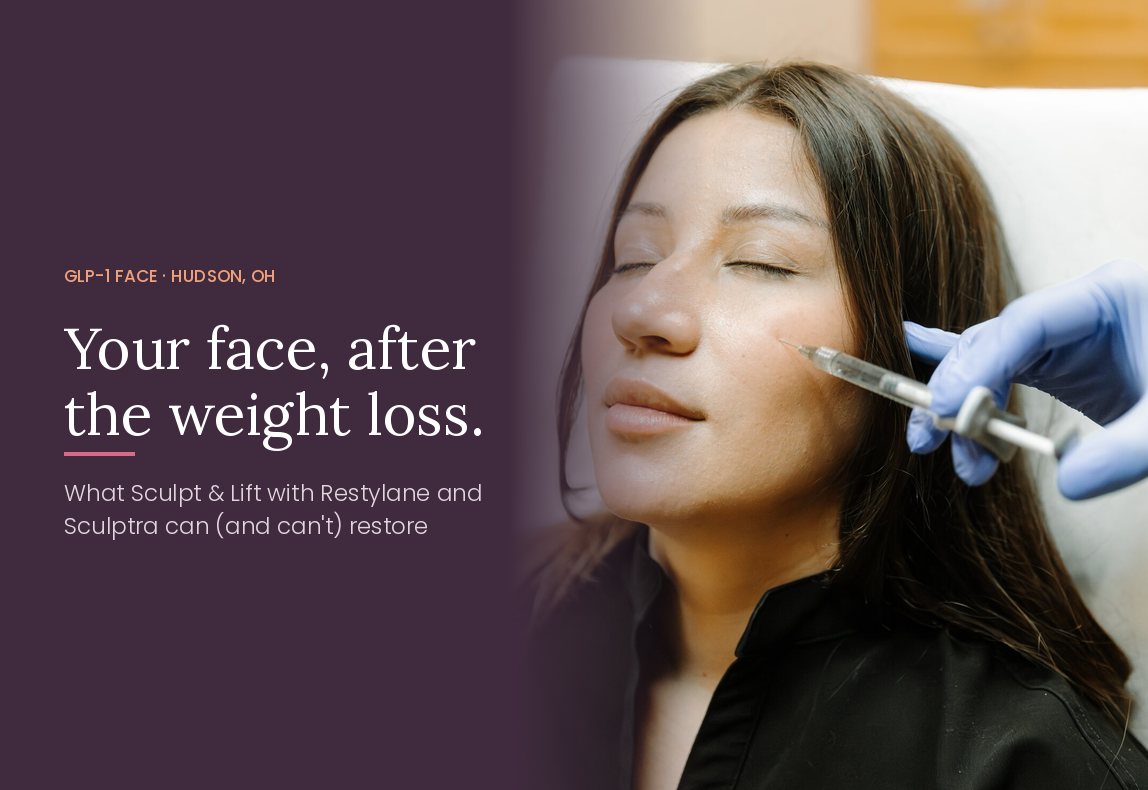
GLP-1 medications shrink the fat pads that hold the face up, so a healthier body can come with a more tired-looking face. Here’s what Galderma’s Sculpt & Lift regimen does, when to start, and what it costs in Hudson.
The most important filler conversation is not about brands or prices. It is about blood vessels, warning signs and whether your injector is ready if something goes wrong.