Sofwave vs. Ultherapy: What the Research Actually Says
A new Sofwave study just reported nine-month results. Here is how it compares with the research on Ultherapy, written plainly by our physician-led team.
RF microneedling, Ultherapy or FaceTite? Dr. Robin Arora compares how each skin tightening option works, downtime, results and who is the best fit for each one.

“Which one is best?” is the question I hear most about skin tightening. The answer depends on where your laxity comes from, how much downtime you can accept and what you want your skin to look and feel like when you’re done. The three treatments I compare most often are RF microneedling, micro-focused ultrasound and minimally invasive RF.
This guide lays them side by side so you can see why one person is a great fit for one option and a poor fit for another.
Starting in our twenties, we make a little less collagen each year. Sun exposure, smoking, weight changes and genetics speed that up. The result is laxity at several levels: the skin surface becomes thinner and crepey, the deeper supportive layers stretch, and facial fat pads shift and deflate. Different tightening tools reach different levels, which is the key to choosing well.
How it works: Fine needles deliver radiofrequency heat into the dermis and upper fat layer, stimulating collagen and contracting tissue.
Learn more on our Morpheus8 page.
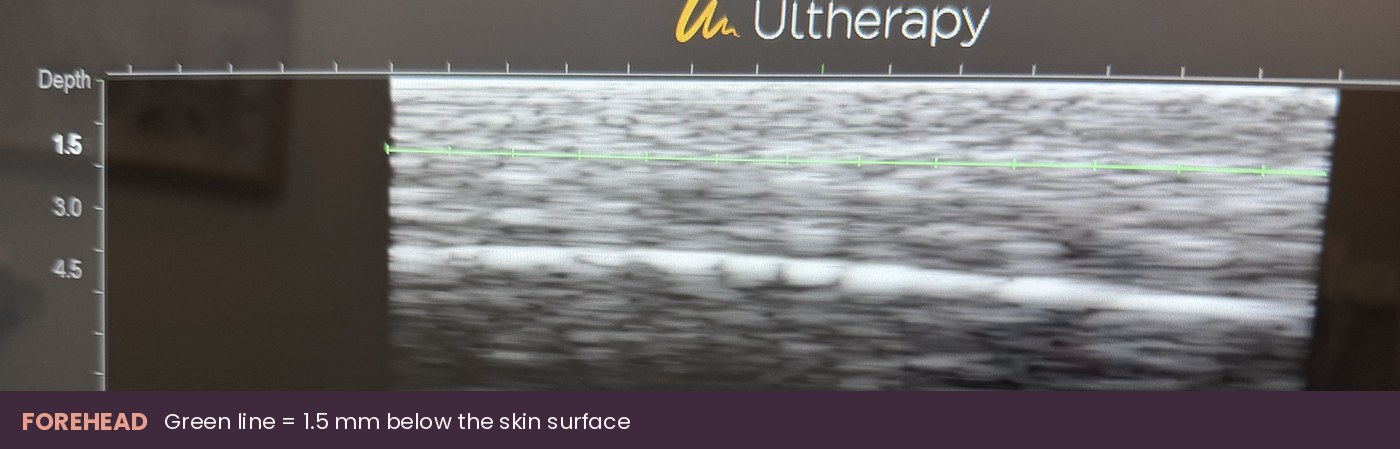
How it works: Focused ultrasound energy creates tiny heated points at precise depths, including the deeper supportive layer that surgeons lift during a facelift. The provider uses real-time ultrasound imaging to see the layers being treated.
See our Ultherapy page for details.
How it works: A thin probe is placed under the skin through a tiny entry point, heating the tissue from beneath while an external electrode monitors temperature. It can be paired with small-volume fat removal.
Read more on our FaceTite page.
During a consultation I look at a few specific things:
It is common to combine treatments, for example ultrasound for deep support and RF microneedling for the skin surface, spaced appropriately.
I would rather tell you now than after you’ve spent money on a series of treatments: significant loose skin, deep jowls or neck banding with heavy excess are usually better addressed with a surgical lift. Nonsurgical tightening gives modest, natural improvement; it does not remove skin. People who smoke, have unrealistic expectations or have certain medical conditions may also be poor candidates. All of these treatments carry risks, including burns, nerve irritation, contour irregularities and pigment changes, which is why they should be performed by trained medical professionals under physician oversight.
Micro-focused ultrasound usually has the least visible downtime. RF microneedling typically involves a few days of redness. FaceTite involves the most recovery of the three.
Yes, many plans combine them, because each works at a different depth. Timing and spacing should be planned by your provider.
Results commonly last a year or more, though aging continues. Maintenance treatments help preserve the improvement.
No. They can soften early to moderate laxity, but they do not remove excess skin the way surgery does.
Choosing between these options is much easier face to face. I’ll examine your skin, listen to your goals and give you an honest recommendation, even if that means a surgical referral. Book a complimentary, no-commitment consultation:
Ask about Easy Pay financing.
References: Alam M, White LE, Martin N, et al. Ultrasound tightening of facial and neck skin: a rater-blinded prospective cohort study. Journal of the American Academy of Dermatology. 2010. · Fabi SG. Noninvasive skin tightening: focus on new ultrasound techniques. Clinical, Cosmetic and Investigational Dermatology. 2015. · Weiner SF. Radiofrequency microneedling: overview of technology, advantages, differences in devices, studies, and indications. Facial Plastic Surgery Clinics of North America. 2019.
This article is for general information only and is not medical advice. Treatments are provided only after consultation and evaluation by a licensed provider. Individual results vary.

A new Sofwave study just reported nine-month results. Here is how it compares with the research on Ultherapy, written plainly by our physician-led team.
Big weight loss is a health win, but it can leave loose skin and a hollow face behind. Here’s what nonsurgical treatments can realistically improve, and what they can’t.
Thread lifts sit between injectables and surgery. They can lift and refresh, but only within limits. Here’s a clear-eyed look at what PDO threads really deliver.