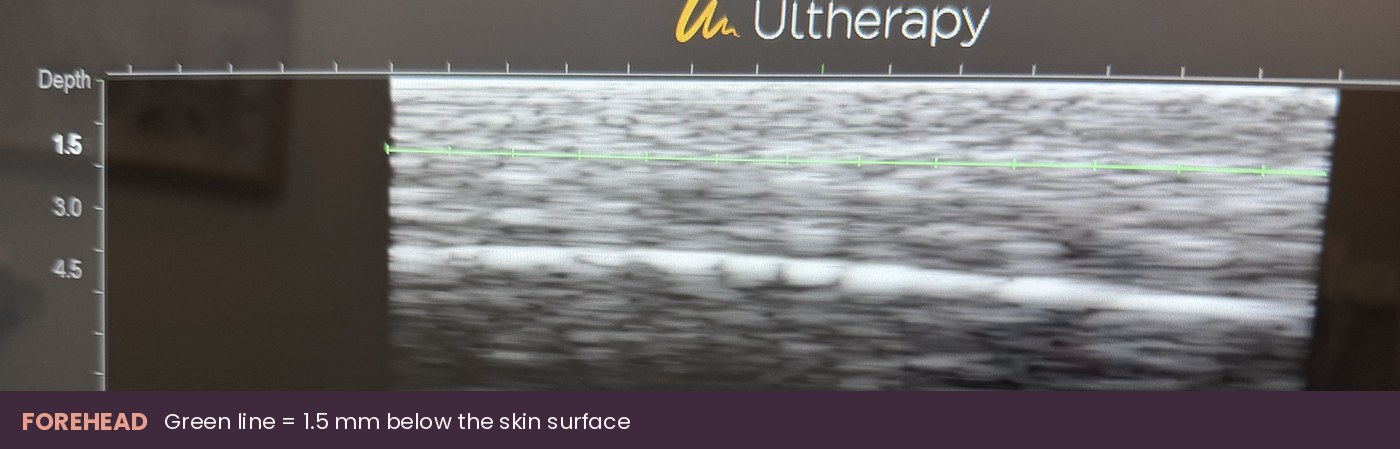
Sofwave vs. Ultherapy: What the Research Actually Says
A new Sofwave study just reported nine-month results. Here is how it compares with the research on Ultherapy, written plainly by our physician-led team.
PDO thread lifts can gently reposition skin and boost collagen, but they have limits. Dr. Robin Arora explains results, risks, recovery and who is a good fit.
Thread lifts have had a roller-coaster reputation. Earlier permanent threads fell out of favor because of complications, and the treatment returned years later with absorbable materials and better techniques. Today, polydioxanone (PDO) threads are a legitimate option in the right situation, but they are often oversold as a “lunchtime facelift.” They aren’t.
Let me explain what threads do, what results are reasonable, and who I think should skip them.
PDO is an absorbable suture material that has been used in surgery for decades. For aesthetic use, the threads are loaded into fine needles or blunt cannulas and placed under the skin. There are two broad types:
Over roughly six months the threads dissolve. While they are present, and for a while after, the body forms new collagen around them, which helps the effect last beyond the thread itself.
Results are visible right away, although swelling can exaggerate or obscure them in the first week or two. The lifting effect generally lasts months to around a year or more, with considerable variation between individuals.
This is where honest counseling matters most:
Most people experience swelling, bruising and some tightness or soreness for several days to about two weeks. Some feel a pulling sensation when they open their mouth wide or make big facial expressions early on.
Possible complications include:
Careful technique, sterile preparation and proper aftercare reduce these risks. Thread lifts at Serene are performed by trained medical professionals under my oversight, and our PDO thread aftercare page lists what to avoid in the first weeks, such as sleeping face-down, dental work and strenuous facial movement.
Good candidates tend to have mild laxity, reasonable skin thickness and a desire for subtle refinement with limited downtime. Threads are usually a poor choice if you:
The threads dissolve over about six months, but the lift and collagen effect often last longer, commonly several months to about a year or more. Results vary widely from person to person.
Local anesthetic is used, so most people feel pressure and tugging rather than sharp pain. Soreness is common for several days afterward.
Yes. Threads are often part of a combination plan, since they lift but do not restore volume or relax muscles. Your provider will plan the timing.
Minor dimpling often settles with time. Some issues can be adjusted, and in some cases a thread can be removed. Talk with your provider promptly about any concerns.
Threads work best as a thoughtful piece of a larger plan. Visit our thread lift page, then come talk with me about your face and your expectations. Book a complimentary, no-commitment consultation:
Ask about Easy Pay financing.
References: Gülbitti HA, Colebunders B, Pirayesh A, Bertossi D, van der Lei B. Thread-lift sutures: still in the lift? A systematic review of the literature. Plastic and Reconstructive Surgery. 2018. · American Society of Plastic Surgeons. Thread lift patient information. plasticsurgery.org
This article is for general information only and is not medical advice. Treatments are provided only after consultation and evaluation by a licensed provider. Individual results vary.

A new Sofwave study just reported nine-month results. Here is how it compares with the research on Ultherapy, written plainly by our physician-led team.
Big weight loss is a health win, but it can leave loose skin and a hollow face behind. Here’s what nonsurgical treatments can realistically improve, and what they can’t.
Jowls aren’t just sagging skin. Understanding the four things that cause them explains why some respond beautifully to nonsurgical care and others need a surgeon.